

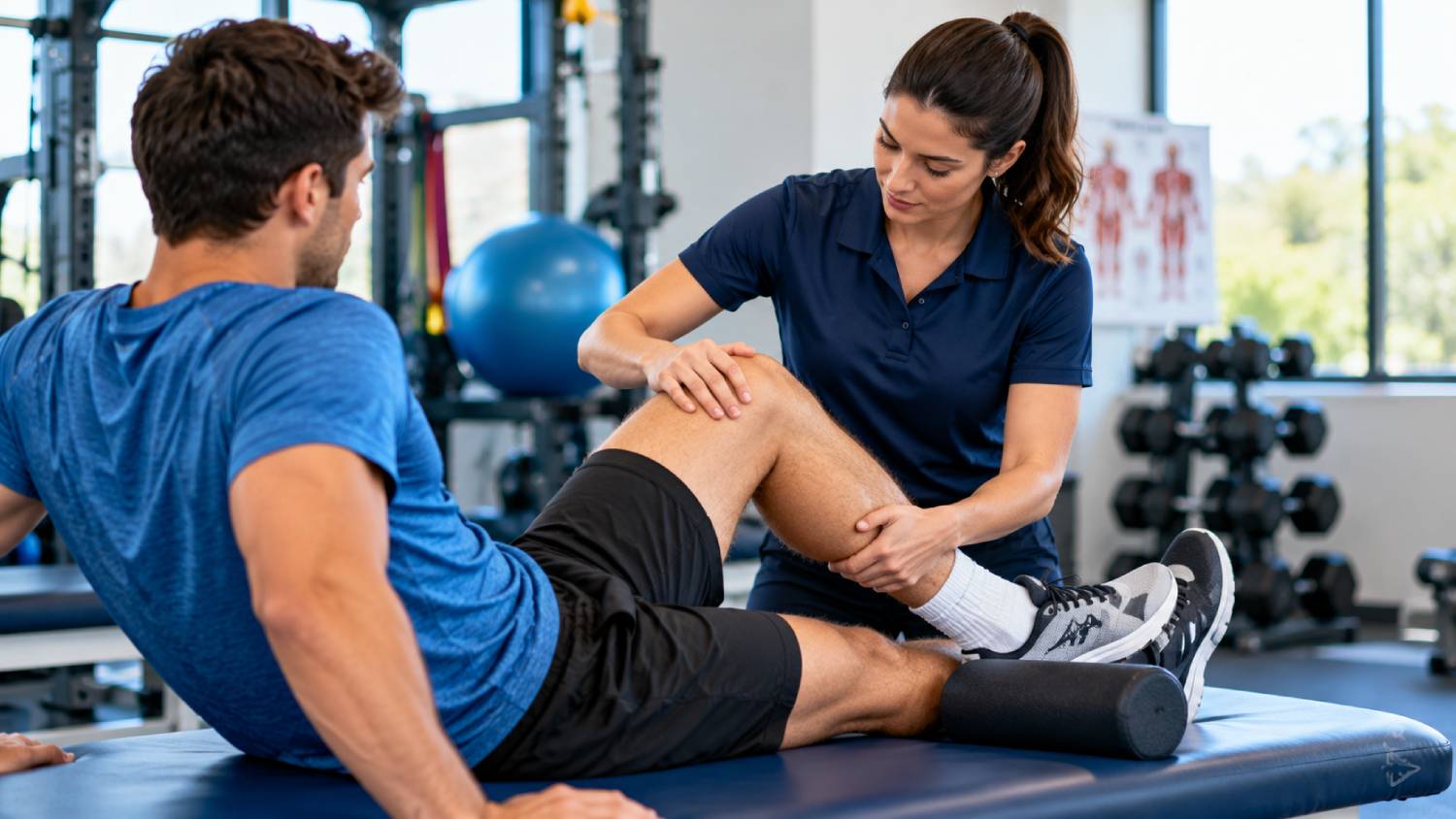
In order to help people heal from injuries, control pain, and regain movement, physical therapy is crucial. However, athletes and physically active individuals often require a more specialized approach to rehabilitation. Their recovery involves more than returning to normal daily activities. They need to regain the strength, coordination, endurance, and confidence necessary to participate safely in their chosen sports.
This is where a sports physical therapist becomes particularly valuable. These professionals focus on treating injuries associated with athletic activities while helping individuals improve physical performance and reduce the likelihood of future injuries. Their specialized understanding of sports movements and physical demands allows them to develop rehabilitation programs that address the unique needs of active individuals.
Understanding the Specialized Role of Sports Physical Therapy
Traditional physical therapy generally focuses on restoring mobility, reducing discomfort, and helping patients perform everyday activities independently. Sports physical therapy builds upon these principles by addressing the additional physical demands associated with athletic participation.
A sports physical therapist evaluates how an individual’s body responds to activities such as running, jumping, throwing, lifting, and changing direction. These movements often require precise coordination between muscles, joints, and the nervous system.
By understanding the mechanics of athletic movements, therapists can identify weaknesses, movement limitations, and potential injury risks. This specialized evaluation helps them create rehabilitation strategies that support both recovery and future athletic participation.
Sports physical therapy is not limited to professional athletes. Recreational runners, fitness enthusiasts, students participating in school sports, and individuals maintaining active lifestyles can also benefit from specialized treatment.
Treating Sports Injuries With a Targeted Approach
Sports injuries can occur suddenly during competition or develop gradually through repetitive movements. Common conditions include ligament sprains, muscle strains, tendon injuries, joint instability, and overuse problems.
Unlike rehabilitation focused primarily on everyday mobility, sports rehabilitation considers the specific movements and physical challenges an individual will encounter when returning to activity.
For example, a basketball player recovering from an ankle injury may need exercises that restore jumping ability, landing control, and rapid directional changes. A runner experiencing knee discomfort may benefit from strengthening exercises, movement assessments, and gradual adjustments to training intensity.
A sports physical therapist designs treatment programs around these individual requirements. The objective is to restore function while preparing the body to tolerate the demands of the person’s preferred activity.
Improving Athletic Performance Through Movement Analysis
One important aspect of sports physical therapy is identifying movement patterns that may contribute to discomfort, inefficient performance, or recurring injuries.
Athletes frequently repeat the same movements during training and competition. When these movements involve poor coordination, limited flexibility, or muscle imbalances, certain body structures may experience excessive stress.
Sports physical therapists use functional movement assessments to understand how different muscle groups and joints work together. They may evaluate balance, posture, strength, flexibility, and movement control.
Based on these findings, therapists recommend targeted exercises that improve physical efficiency and coordination.
Although physical therapy cannot guarantee improved athletic performance, addressing movement limitations can help athletes develop better control and prepare more effectively for their sporting activities.
Supporting a Safe Return to Sports
Returning to athletic participation after an injury requires careful planning. Feeling less pain does not necessarily mean that the injured area has regained sufficient strength, stability, or endurance.
A structured rehabilitation program gradually introduces activities that resemble the demands of the athlete’s sport. Early treatment may emphasize mobility and basic strengthening exercises, while later stages incorporate more challenging movements.
For example, an athlete recovering from a knee injury may progress from controlled strengthening exercises to running, jumping, and sport specific drills.
A sports physical therapist monitors this progression and evaluates whether the individual demonstrates appropriate movement control and physical readiness.
This approach helps athletes avoid returning to demanding activities before they have adequately recovered. Decisions about returning to competition may also involve physicians, athletic trainers, and other healthcare professionals.
Preventing Injuries Through Personalized Conditioning
Sports physical therapy extends beyond treating existing injuries. It also emphasizes identifying physical limitations that could increase injury risk during athletic participation.
Therapists may recommend strengthening exercises, flexibility routines, balance training, and improvements in movement technique.
They can also provide guidance on managing training loads, incorporating recovery periods, and recognizing early warning signs of overuse injuries.
These healthful movement habits and more consistent training can be facilitated by these preventive strategies for individuals who engage in physically demanding activities on a regular basis.
Conclusion
Sports physical therapy offers a specialized approach to rehabilitation that goes beyond restoring basic physical function. By combining injury treatment, movement analysis, targeted strengthening, and progressive athletic conditioning, it addresses the challenges faced by physically active individuals.
Working with a qualified sports physical therapist can help athletes approach recovery with greater confidence while developing the physical capabilities needed for their activities. Whether recovering from an injury or addressing recurring movement difficulties, specialized rehabilitation provides valuable support for long-term mobility, athletic participation, and overall physical well-being.